Unmissable Books – 9 October 2026
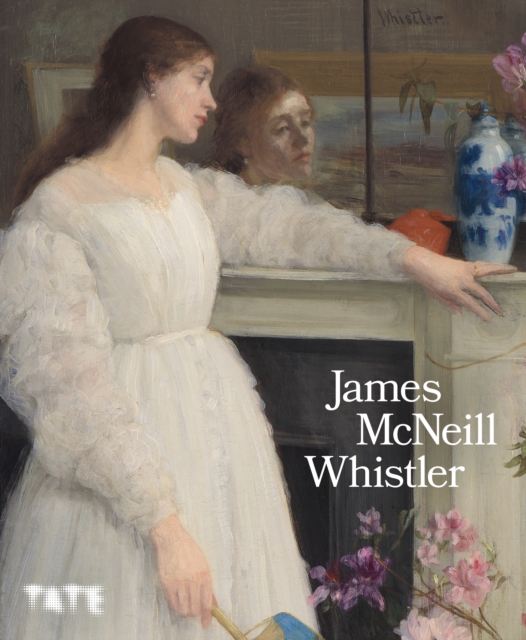
Having missed the recent Whistler exhibition at the Tate, I have been reading the essay collection on Whistler, edited for that show by Carol Jacobi, and admiring the art produced therein – sketches, oil paintings, etchings and his extravagant design of ‘The Peacock Room,’ a project which escalated wildly, leading him to fall out spectacularly with his patron (details of the story here – scores with enemies should be settled in gleaming gold leaf).
The essays are enjoyable and enlightening on Whistler the artist and the man, on the development of his techniques, his admiration for Japanese prints, his delight in litigation and attempts to control his legacy. I have learnt that Whistler would spend several nights on the Thames before the composition of a painting would come together, in good company since his boatmen were no other than the sons of J.M.W. Turner, that we are not using the word ‘crepuscule’ enough and that he felt at home in Valparaiso, Chile, because the coastal mist was as thick as London fog.
Having written last week of the long moments of beginning a new creation, Whistler’s comments in his 1885 ‘Ten O ’Clock lecture’ on when a painting is finished, ‘when all trace of the means used to bring about the end has disappeared,’ are fascinating given that this does not apply to his own work. The brushstrokes are visible in his beautiful nocturnes, almost lifting off the canvas.
Even looking at the reproductions, I catch my breath at the black and gold nocturnes, feel the changing texture of the skin in his younger and more elderly subjects and admire the argumentative, excessive, apparently tender too, man behind that expressive moustache in his self-portraits.
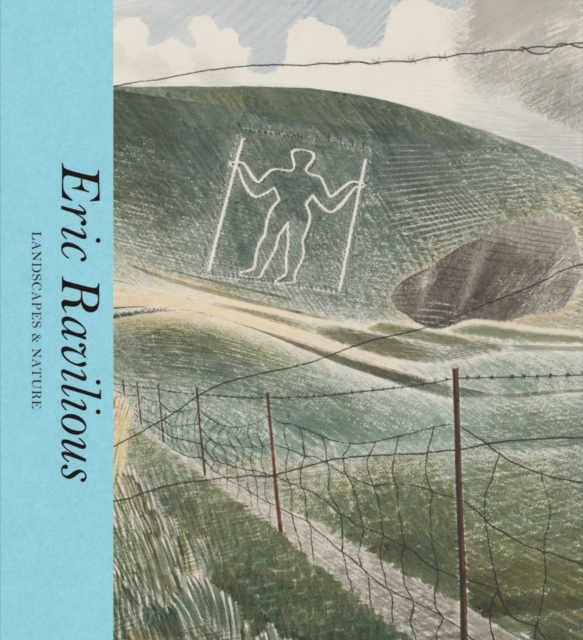
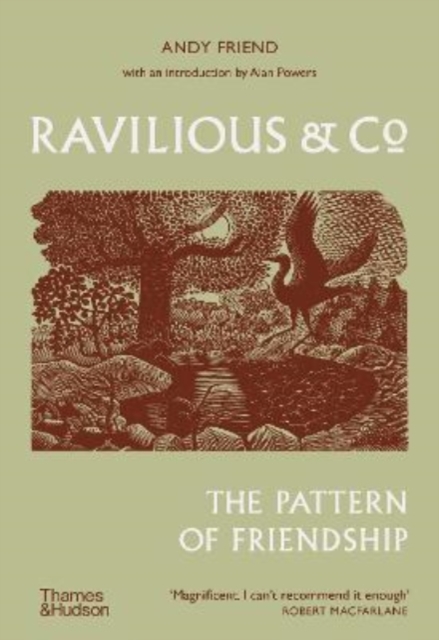
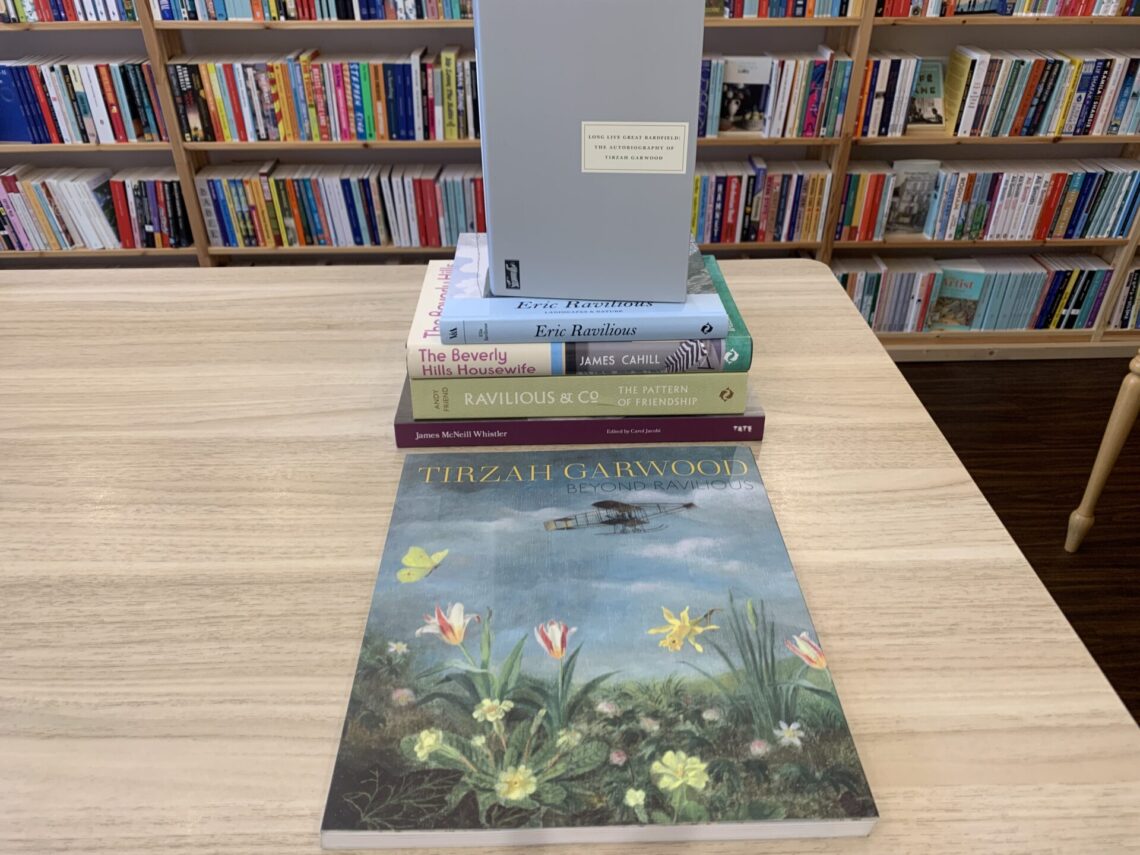
Determined not to miss the Holburne’s exhibition celebrating Ravilious and fellow artists of the South Downs and chalk landscapes, I have been preparing with appropriate reading. I’ve previously written about Eric Ravilious: Landscapes & Nature by Ella Ravilious, a collection of his work to return to often, arranged and introduced by his granddaughter, a calming gift for anyone who loves landscapes, gardening and the intricate patterns on tree bark and train seats and about Ravilious & Co by Andy Friend in which the aptly named author explores how the friendships between fellow artists, loving, interested and competitive as they were, shaped the work of Ravilious, Edward Bawden, Barnett Freedman, Enid Marx, Tirzah Garwood, Percy Horton, Peggy Angus and Helen Binyon.
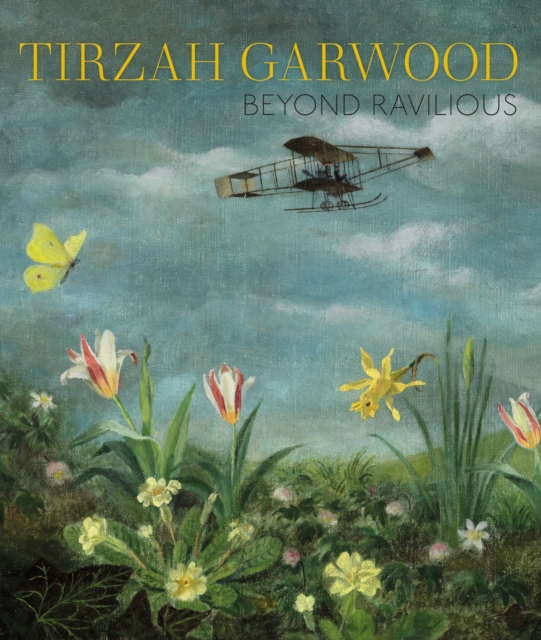
James Russell’s book on Tirzah Garwood is an absolute joy. Garwood met Ravilious at Eastbourne School of Art, where her talent for wood engraving was recognised early on. They married five years later and, despite the demands of marriage and motherhood, despite her husband’s affairs, despite the war, her illness and Ravilious’ death, she created gorgeous engravings and sketches, unique marbled papers, stunning and sometimes haunting oil paintings, embroidery and collage. Not to mention, collaborating with her husband on his work too, without the requisite appreciation.
Her art is lively and humorous – a woman yawning monstrously, the way one only does when alone, is an unconventional self-portrait; a grandmother asleep next to a huge gramophone, though the dog at her feet is awake makes one imagine that music is blasting out even as she snoozes. Garwood’s pictures of her children are full of personality and her paintings which bring their toys in gargantuan size into the English landscape offer the playfulness of a child’s viewpoint but also something eerie – there is an uncanny drama in many of them, toy soldiers knocked over, a music stand abandoned on a lawn.
In 1942, after an emergency mastectomy, she began writing her autobiography. She was 36. Ravilious died a few months later, his plane lost while he was working as a war artist. She went on writing, creating art, and caring for her children (finding time also to fall in love and remarry) right into the last year of her life, 1951, which she described as the happiest.
Long Live Great Bardfield is the marvellous result. I can’t put it down. It is full of the perfectly chosen detail and colour that her art was. At school, told to paint the words ‘Jesus loves me,’ she insisted on following up by painting, ‘I love a sailor.’ Her mother went swimming in a voluminous alpaca bathing dress and did not believe in socks. Her aunts are like something out of a fairytale, with the mixture of the fun and the grim that this suggests. She had two pet doves, one of which was desperately in love with her to the point of possessiveness, and loved netball for the fact that years after playing it as a girl she could still throw things in the bin from across the room. We all understand the satisfaction of such a skill, even if we don’t have anything like her abilities in other endeavours.
Given all that was happening personally and politically, how did she write with such verve of her artistic and domestic life, her relationships, cancer diagnosis, art and the war? Here it all is, as plucky as the wandering geese and as spry as the 96-year-old woman tending her garden, the subjects of paintings she worked on in her final months.
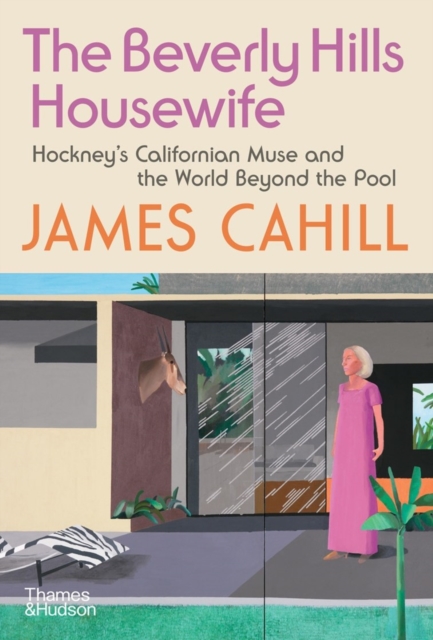
Missing Hockney, as many of us are, I am poised for the celebration of his work at the Tate opening in 2027. The Beverly Hills Housewife: Hockney’s Californian Muse and the World Beyond the Pool by James Cahill remains one of my favourite books of the year (a week on from claiming this). If Hockney believed that a picture became new in the viewing, reading Cahill’s book on Beverly Hills Housewife gives it new birth with every chapter. It is a rewarding way of experiencing the painting and the lives of its subject and its artist.
I have complete admiration for Betty Freeman as she was depicted in the painting and for the woman she became, a past, present and future somehow suggested in the ironic title, in the objects placed around her and in the extraordinary colour of the dress which would go on to hang in her hallway, becoming an exhibit, admired by the guests who crowded into her home for lectures and concerts.
Freeman was devoted to art and later to music, seeking the avant garde, not for the sake of it but from dedicated interest, becoming a writer and photographer, as well as a great friend and mirror to Hockney himself.
Cahill’s writing never feels weighed down by too much detail and yet it absolutely gets into it. He tells the story of how Beverly Hills Housewife came to be and how Hockney and Freeman came to be with all the intense brightness with which the artist saw the world. If anyone meets Cahill, please ask him if at any point during his research he jumped in the swimming pool. You would, right?
May your weekend be full of plucky geese and golden crepuscules,
Lizzie
Featured in the newsletter
-

Long Live Great Bardfield
£17.00 -

Tirzah Garwood
£25.00 -

James McNeill Whistler
£32.00 -

Eric Ravilious: Landscapes & Nature
£14.99 -

Ravilious & Co
£20.00 -

The Beverly Hills Housewife
£25.00